Choosing the right water heater for your home can feel overwhelming. There are many options available, and the best choice depends on your specific needs and circumstances. Here's a guide to help you navigate the selection process.
Assess Your Hot Water Needs
Before diving into types of water heaters, consider your household's hot water consumption. How many people live in your home? How many showers, loads of laundry, and dishwasher cycles do you typically run in a day? Estimating your demand will help you determine the appropriate tank size or if a tankless system is a better fit.
Types of Water Heaters
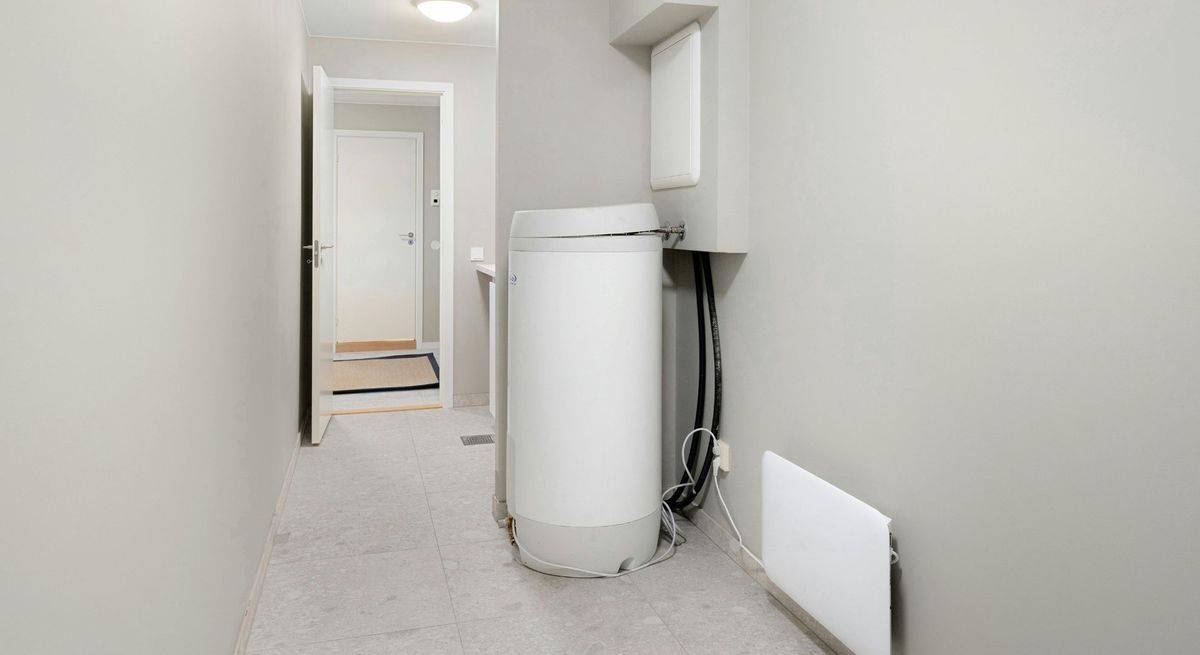
Storage Tank Water Heaters: These are the most common type. They heat water and store it in a tank, ready for use. Tank sizes vary, so choose one that aligns with your hot water needs. Keep in mind that they continuously use energy to keep the water hot, even when you're not using it.
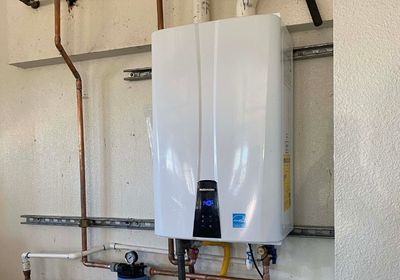
Tankless Water Heaters: Also known as on-demand water heaters, these heat water only when you need it. They're more energy-efficient for households with lower hot water demands, as they eliminate standby heat loss. They can, however, struggle to supply multiple high-demand uses simultaneously.
Heat Pump Water Heaters: These are highly efficient, using electricity to move heat from one place to another, rather than generating heat directly. They're more expensive upfront but can save you money on energy bills in the long run. They also require space and a warmer climate to operate efficiently.
Solar Water Heaters: These use solar panels to heat water, reducing your reliance on electricity or gas. They're environmentally friendly and can save you money over time, but they require a significant upfront investment and may need a backup system for cloudy days.
Fuel Source
Water heaters run on different fuel sources: electricity, natural gas, propane, or solar. The best option depends on what's available in your area and the cost of each fuel source. Natural gas is often cheaper than electricity, but it's not available in all areas. Solar is a renewable option, but it requires sunlight.
Energy Efficiency
Look for water heaters with high energy efficiency ratings. This can save you money on your utility bills over the long term. Energy Factor (EF) is a common measure of water heater efficiency. The higher the EF, the more efficient the water heater.
Professional Installation
Installing a water heater can be complex, especially for gas or solar models. It's often best to hire a professional plumber to ensure proper installation and avoid safety hazards. They can also advise you on the best type of water heater for your home and local codes.
Choosing the right water heater involves carefully assessing your needs, understanding the different types available, and considering factors like fuel source, energy efficiency, and installation. Making an informed decision can lead to years of reliable hot water and significant energy savings. At Complete Plumbing, we understand the importance of a properly functioning water heater. Whether you need water heater repair, assistance with kitchen sink drain cleaning, or require the expertise of our sewer plumbers, we're here to help. And if you're dealing with a leaking pipe repair, don't hesitate to reach out for prompt and reliable service. Contact Complete Plumbing today for expert advice and professional plumbing services.